Image by Siili Auto
Finland-based Siili Auto may not be a household name to consumers, but for the Tier 1 companies and OEMs like Mercedes-Benz, Hyundai, and BMW, it’s a brand associated with the latest in human-machine interfaces (HMIs).
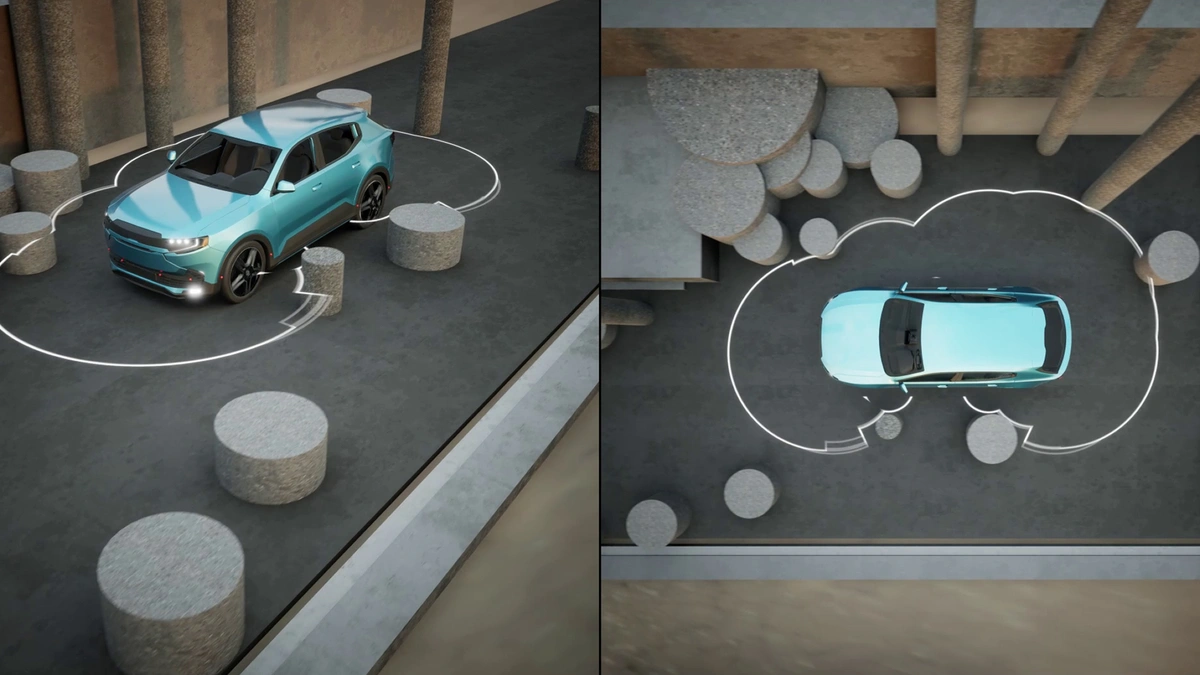
Siili provides the tech behind the displays for digital instruments, infotainment systems, heads-up displays (HUDs), advanced driver-assistance systems (ADAS), and many of the visual bells and whistles we’ve come to expect from modern cars. And because HMIs, where Siili has contributed for design or development, are currently in more than 30 million cars on the road today, there’s a good chance you’ve experienced a technology created by Siili.
While it was the quality of graphics and ease of development that first drew Siili to Unreal Engine, they soon found they could also drastically shorten development times while still improving the user experience.
Siili is now a Gold Service partner with Epic Games. In this article, Jami Järviö, CSM and Partner Manager at Siili Auto, tells us all about Siili’s experience with Unreal Engine.
Shortening development times with Unreal Engine
One way that Unreal Engine has definitively helped Siili save time and money is through a shortened development cycle. “In the old days, the designers specified the UI and the flow of the UI, as well as the graphics components exactly, in a different tool,” Järviö says. But the developers, he explains, would use a completely different tool to design and test the HMI itself. “So you check for the differences between the designs and the implementation, and then you report a lot of bugs on those, and you get this whole cycle while the UI is still being updated and there are new designs coming in.”
As a result, this design cycle would take about five years. But now, with both the design and development teams working in Unreal Engine, the cycle has been reduced to three years. “You can use Blueprints to speed up your development from the design all the way to testing,” Järviö says. ”The whole pipeline is much more efficient, especially when you’re doing designs on Unreal Engine.”
Striving for efficiency
While switching to Unreal Engine as a combination design and development tool helped the team at Siili make the overall workflow more efficient, they knew they could take things a step further with Unreal Insights.
“We use Unreal Insights tools to measure the performance of the software on hardware,” Järviö says. “Commonly, we measure startup times, frames per second, and of course if there are problems, then memory consumption and CPU and GPU draw calls. Once those issues are found, then we fix those in code and retest on hardware.”
Järviö says that having access to Unreal Engine’s source code has also been key to troubleshooting as well as customization—the fact that the team can adapt code to any solution is “priceless” in the development of HMIs.
Ease of integration
The ease with which Siili could integrate Unreal Engine into existing pipelines was another plus. With the engine being C++ based, Siili had few issues with embedding it into the hardware. “We had a baseline of strong C++ competencies,” says Järviö, “so those were bonuses for us.”
While all these individual advantages make Unreal Engine an excellent choice for Siili, Järviö points out that an HMI is about more than its individual pieces—it all needs to come together to create a branded experience for the driver.
“Is it a car that is meant to invoke feelings, or is it a car that needs to be used in daily operation?” poses Järviö. “That’s one thing with the Unreal Engine, with its capabilities—the branding, the feeling, and the overall user experience is something that you can create.”
Read the original article from Unreal Engine’s website.
For more information please contact:
Jami Järviö